
How to Build a Culture Where People Feel Genuinely Understood

Most workplaces already run on some version of listening. Meetings have agendas, managers hold one-on-ones, surveys go out twice a year asking how everyone is doing. And yet a striking number of people walk away from those same conversations feeling like nothing actually landed, like their point was logged rather than understood. That gap between […]
How (and Why) to Think Like a Futurist

The word futurist tends to summon an image of someone predicting flying cars or forecasting which gadget will dominate next year’s holiday season. That image is mostly wrong, and it has quietly convinced a lot of capable leaders that futurist thinking is a parlor trick rather than a discipline worth building inside a real organization. […]
The Unusual Suspect: Why the Best Ideas Come from People You’d Never Think to Ask

Most organizations solve problems by assembling the same familiar group of experts, the people whose job titles most obviously connect to the challenge at hand. That instinct feels efficient, and it usually produces a competent answer, but it rarely produces a surprising one, because everyone in the room has already been trained to see the […]
Perspective-Taking as a Leadership Skill: A Practical Guide

Every leader operates from a specific vantage point, shaped by role, tenure, incentives, and the particular slice of the organization they see every day. That vantage point is useful right up until the moment it becomes a blind spot, and the leaders who catch themselves before that happens tend to share one specific, learnable habit: […]
How to Build a Culture Where People Feel Safe to Override a Bad Recommendation

A recommendation lands on someone’s desk, generated by a dashboard, a colleague, or increasingly an AI model, and something about it feels off. The data looks thin, the context feels wrong, or a piece of institutional knowledge that never made it into the model suggests a different path entirely. What happens in that moment, whether […]
The Judgment Gap: Why Human Decision-Making Matters More in an Automated World

As AI absorbs more of the routine analysis that once filled a typical workday, the decisions that still land on a person’s desk are precisely the ones that were never going to be routine in the first place. They are ambiguous, they carry real consequences, and they rarely come with a clean precedent to fall […]
How Will You Make People Feel?

At year-end, operational efficiency isn’t just about streamlining processes. It’s about understanding the emotional state of your workforce. When people feel energized, supported, and connected to their work, they perform at a higher level. The question leaders should be asking is simple: How will you make our people feel? It may be the most important performance driver of the entire year.
Unlocking Human Potential: The Transformative Power of Learning

At its core, learning is what makes us human. It’s how we’ve evolved, adapted, and overcome challenges throughout history. It’s what enables us to dream, to innovate, and to connect with one another in meaningful ways. The act of learning—whether it’s mastering a new skill, exploring a fresh perspective, or finding a creative solution—reminds us of our shared humanity. It reminds us that growth is always possible, no matter where we start. Think about the breakthroughs that have shaped our world: the discovery of penicillin, the creation of the internet, the first steps on the moon. Each of these achievements began with learning—someone willing to ask questions, take risks, and push beyond the limits of what was known.
The Human Imperative: Why Human-Centered Leadership Matters in the Age of AI
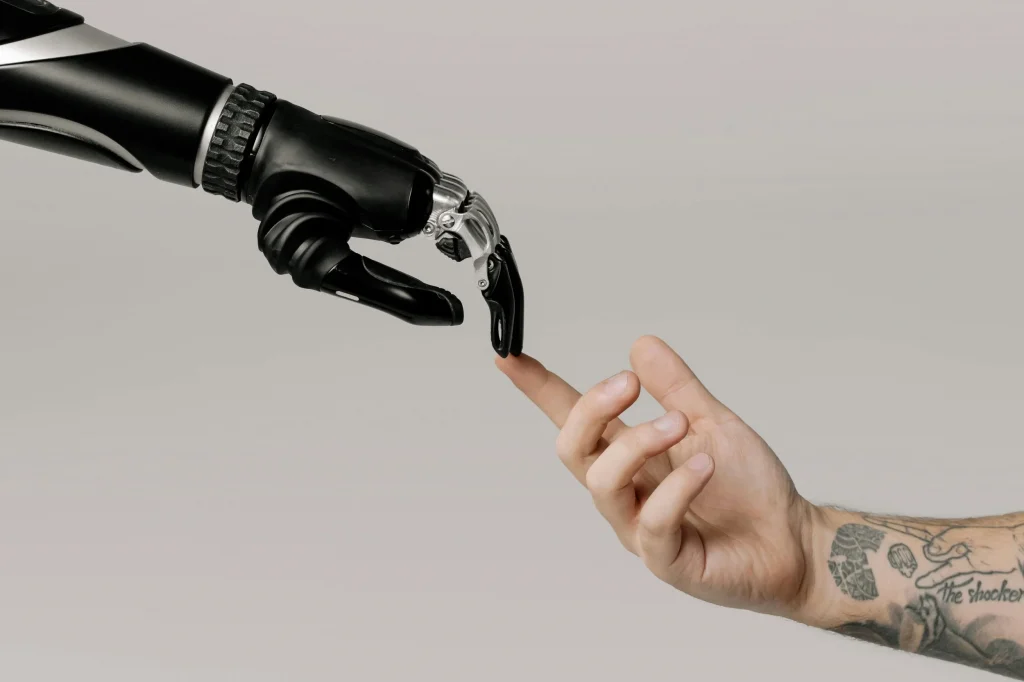
AI excels at logic, efficiency, and pattern recognition. But when it comes to nuance, cultural awareness, and contextual understanding, humans reign supreme. Human-centered leadership prioritizes these uniquely human strengths, ensuring that decisions and actions are informed by ethics, empathy, and a deeper understanding of the gray areas.
The bottom line? AI can crunch the numbers, but it’s humans who bring those numbers to life. It’s humans who can ask: Does this data align with our values? What’s the impact on our people? What story are we trying to tell?
Remember: People follow people, not algorithms.
The Disappointed Learner: Why Bad Training is Bad Business

Bad training sends a message that growth is secondary to process—and that’s a dangerous signal for any organization. In contrast, transformative training programs show employees that their development is a priority, and they create lasting value for the business.
For instance, Siemens, a global leader in technology and engineering, faced unprecedented challenges during the COVID-19 pandemic in maintaining its commitment to employee development. By swiftly shifting to digital learning platforms, Siemens not only maintained but enhanced its learning and development programs, making learning more accessible and personalized for employees globally. This strategic pivot resulted in improved engagement and productivity across the organization.
When training connects with learners on a personal and practical level, it drives not just skills but loyalty, engagement, and innovation.